In Louisiana’s warm, humid climate, termites are more than just a nuisance—they’re a persistent and costly threat to homes and businesses alike. Often dubbed the “silent destroyers,” termites can feed on a property’s wooden structures unnoticed for months, sometimes years, before the damage becomes visible.
At Pelican Pest Control, we believe early detection is your strongest defense. As a trusted provider of pest control in Baton Rouge, we’ve seen firsthand how quickly a small termite issue can escalate. Our expert-led termite control services are specifically designed to identify and eliminate infestations before they cause serious structural harm. Understanding the first signs of termite damage can mean the difference between a simple treatment plan and tens of thousands in structural repairs.
Let’s break down the five most critical—and commonly overlooked—warning signs of a termite problem in Louisiana homes.
1. Hollow-Sounding or Brittle Wood
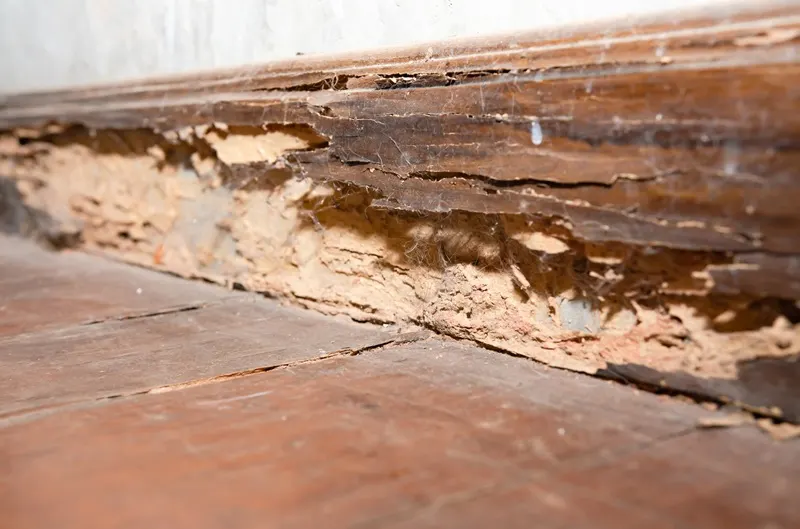
Termites eat wood from the inside out, often leaving just a thin layer of paint or veneer behind. If you tap a wooden beam, window frame, or baseboard and it sounds hollow or papery, there’s a good chance that termites have hollowed it out.
Why This Is Critical:
Termites can undermine the integrity of crucial structural components—like support beams, subfloors, or joists—long before visual damage appears.
Louisiana Insight:
Subterranean termites thrive in Louisiana and prefer soft, moisture-laden wood, which is common in older Baton Rouge homes. If you’re noticing soft spots in flooring or sagging boards, it’s time to schedule a termite inspection before deeper damage sets in.
2. Mud Tubes Near Foundation Walls
Subterranean termites build narrow, pencil-sized mud tubes made from soil and saliva. These tubes act as highways from their nests (often in the ground) to your home. You’ll often find them on foundation walls, around crawl spaces, or even on interior sheetrock.
What to Look For:
- Brown, dry, crusty tubes about the width of a pencil
- Found along exterior concrete, wood siding, or even inside garage corners
Expert Tip:
Break a section of the mud tube open and check back later. If it’s repaired within a day or two, the colony is active.
3. Frass (Termite Droppings) or Wood Shavings
When drywood termites feed, they push out tiny wood-colored droppings called frass through kick-out holes. These droppings often collect in small mounds beneath infested areas, like window sills, wooden furniture, or attic beams.
Common Mistake:
Many homeowners assume this is just sawdust or dust from a recent renovation, but frass has a pellet-like texture, typically oval with rounded ends. Found something suspicious in your attic or shed? Pair our residential pest control service with a full attic assessment.
4. Swarmers or Discarded Wings Around Windowsills
Swarmers, or alates, are winged reproductive termites that leave their colony to start new ones—often the first visible warning sign of infestation. You may find them flying near windows or piles of tiny wings left behind.
When and Where:
- Common in spring and early summer (especially March–May in Louisiana)
- Often mistaken for flying ants but with straighter antennae and equal-length wings
What It Means:
Seeing swarmers indoors usually means termites are already nesting inside your home. Take immediate action with our emergency pest control services if you spot swarmers or wings near doorframes or vents.
5. Bubbling or Peeling Paint That Looks Like Water Damage
Many homeowners overlook bubbling paint or warping walls, assuming they have a plumbing or moisture issue. But termites produce moisture as they eat, which can cause surface swelling and bubbling, especially behind paint or wallpaper.
Key Differentiator:
Unlike water damage, termite-related bubbling doesn’t usually come with musty odors or widespread dampness—it’s often localized and paired with brittle wood or tapping sounds.
- Suspect something? Pair an inspection with a comprehensive pest inspection and rule out multiple pest sources.
Why Louisiana Homes Are Especially Vulnerable
Louisiana is one of the most termite-prone states in the U.S., due in large part to its high humidity, frequent rainfall, and extended warm seasons. According to the Louisiana Department of Agriculture & Forestry, Formosan subterranean termites are especially aggressive and can cause rapid, large-scale damage to structures—even brick homes with wooden supports (source).
What Should You Do If You Notice These Signs?
Don’t wait until visible damage spreads—early action is the only way to protect your investment.
Here’s How Pelican Pest Control Helps:
- Free and detailed termite inspections
- Year-round termite protection plans tailored to Louisiana homes
- Safe, eco-friendly insecticide treatments that don’t compromise your health
- Custom programs for both residential and commercial properties
Serving Baton Rouge and Beyond
Based in Baton Rouge, Pelican Pest Control proudly protects homes across southeast Louisiana, including Prairieville, Marrero, New Orleans, and Hammond.
Wherever you are in the region, our locally experienced technicians are just a call away.
Don’t Wait—Termites Won’t
If you’ve noticed any of these signs—or even if you haven’t—an ounce of prevention is worth thousands in repairs. Pelican Pest Control is here to inspect, protect, and keep your home termite-free all year long.
Call: (225) 424-2623
Visit: www.pelicanpestcontrol.com
Office: 17485 Opportunity Ave Building 2, Suite F, Baton Rouge, LA 70817
Hours: Monday–Friday, 8 AM–5 PM